
|
Share to:
Related Products
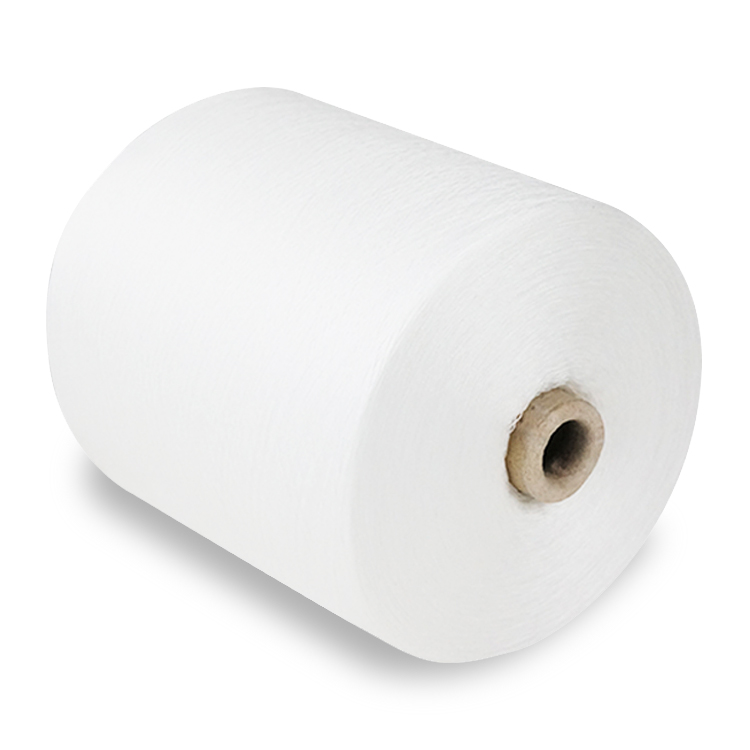


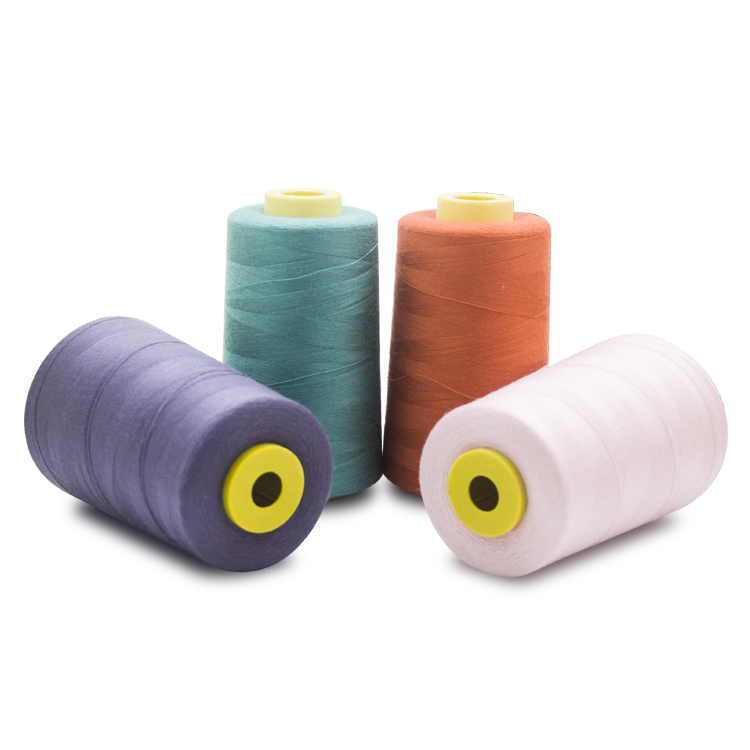
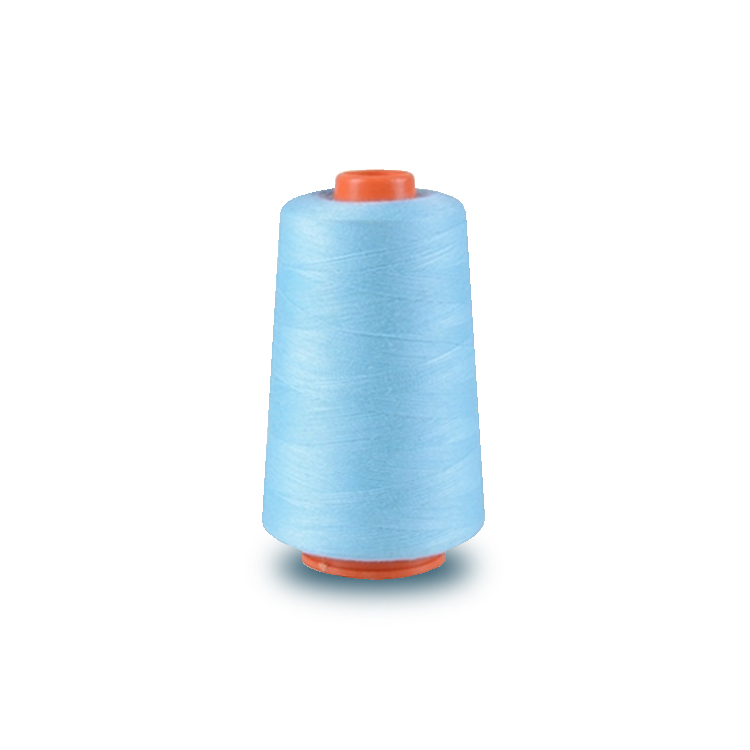
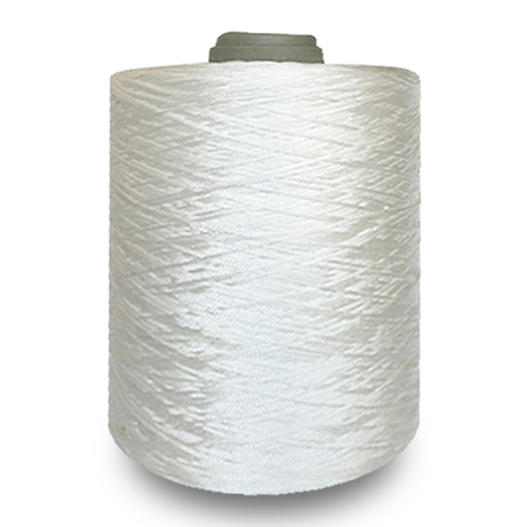
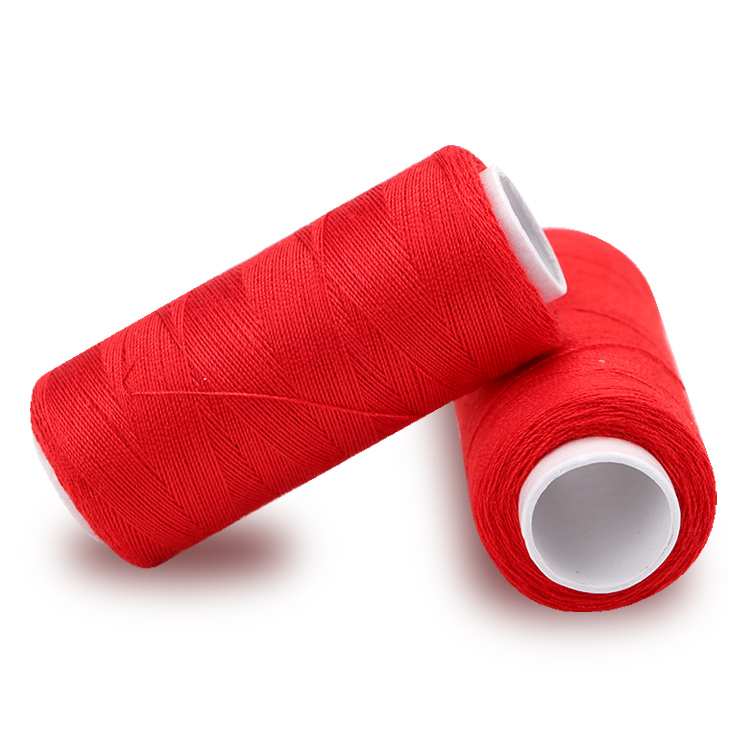
100% polyester 403 dyed spun yarn
LQ-0412
Price: From $0.66
Delivery time: 9-20 days after payment
MOQ: 500KG
100% polyester 403 dyed spun yarn
"In the Han Dynasty, there was a method of dyeing valerian. I don't know who made it."
Tie dyeing is a traditional and unique folk dyeing process of the Han nationality. It is one of the traditional hand dyeing techniques in China. It is one of the first batch of national intangible cultural heritage expansion projects.
Tie dyeing process is divided into two parts: binding and dyeing. It is through yarn, thread, rope and other tools to tie, sew, bind, tie, clip and other forms of fabric dyeing.

It is characterized by a printing and dyeing technology in which the dyed and dyed fabrics are twisted into knots, then dyed and dyed, and then removed. It has more than 100 kinds of changing techniques, each with its own characteristics. What's more surprising is that even if there are thousands of flowers tied together, they will not appear the same after dyeing. This unique artistic effect is difficult to achieve by mechanical printing and dyeing process.
Tie dyeing has a long history. It originated in the Yellow River Basin. When it originated is still uncertain. It has a history of thousands of years.
According to records, as early as the Eastern Jin Dynasty, a large number of kinked and dyed dyed dyed silk fabrics were produced in large quantities. In 408 ad, tie dyeing was mature in the Eastern Jin Dynasty. In the northern and Southern Dynasties, tie dyeing products were widely used in the clothing of Han women.
In the heyday of the Tang Dynasty, the textiles made of twisted valerian were very popular and more common. "Qingbivalerian dress" became the basic fashion style of the Tang Dynasty. Tie dyeing technology was introduced into Japan and other countries in the prosperous Tang Dynasty. Japan regarded China's tie dyeing technology as a national treasure. Up to now, there are still five colored twisted valerian of Tang Dynasty in Japan's Dongda temple. Later, it was introduced into Yunnan Province by Japan. Because of the abundant water resources and mild climate in Yunnan Guizhou area, the ancient tie dyeing technology was settled there. In the 16th year of Zhengyuan period of Tang Dynasty, Nanzhao dance team came to Chang'an to perform. Their dance clothes were "skirt Ru, birds and animals, plants, and articles were made of eight colors and miscellaneous leather" which was tie dyed.
In the Northern Song Dynasty, Diao valerian products were very popular in the Central Plains and northern regions. During this period, tie dyeing techniques were widely used. Based on the original and modern clothing, the ink painting has both the original and traditional beauty, and the flowing and deep charm of traditional Chinese clothing. Commonly used dyes are safflower, Arnebia, indigo, etc.
During the Ming and Qing Dynasties, dyeing and weaving skills reached a high level, and there was a dyeing guild. Erhaiwei red cloth in the Ming Dynasty, Xizhou cloth in the Qing Dynasty and Dali cloth were all well-known best-selling products. In the period of the Republic of China, zhajianzhou has become the center of zhajianzhou, which has become the center of Zaran.
Tie dyeing shows a strong folk art style. More than 1000 patterns are the epitome of thousands of years of history and culture, reflecting the people's customs and aesthetic taste. Together with various crafts, tie dyeing forms a charming weaving and dyeing culture.
Tie dye's commodity attribute is obvious. It is favored by the majority of consumers at home and abroad, the exchange value is slowly rising in stability, and the use value is also well-known. With the continuous improvement of people's material and cultural living standards, as well as the gradual warming of clothing fashion, tie dye art has been pursued and favored by consumers and fashion circles at home and abroad.