
|
Share to:
Related Products

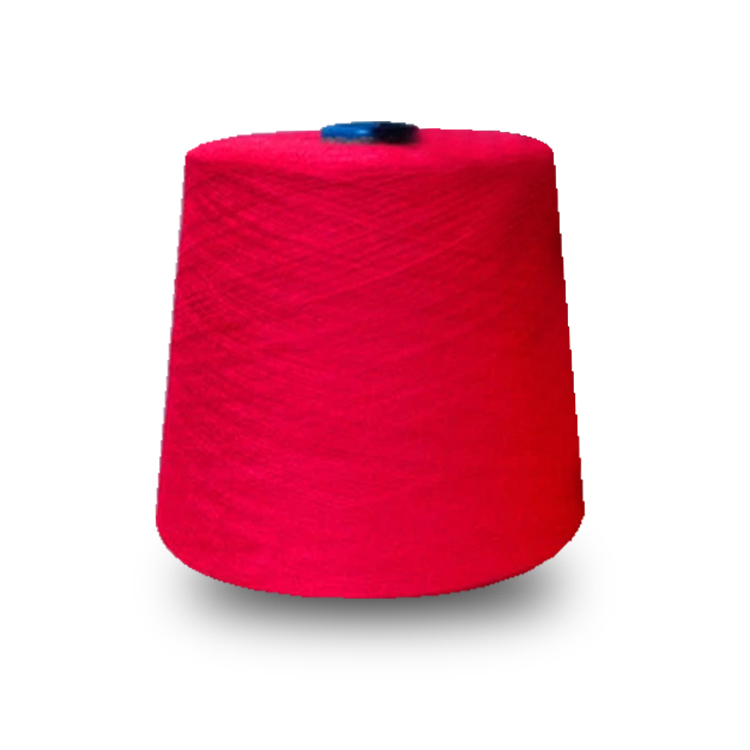
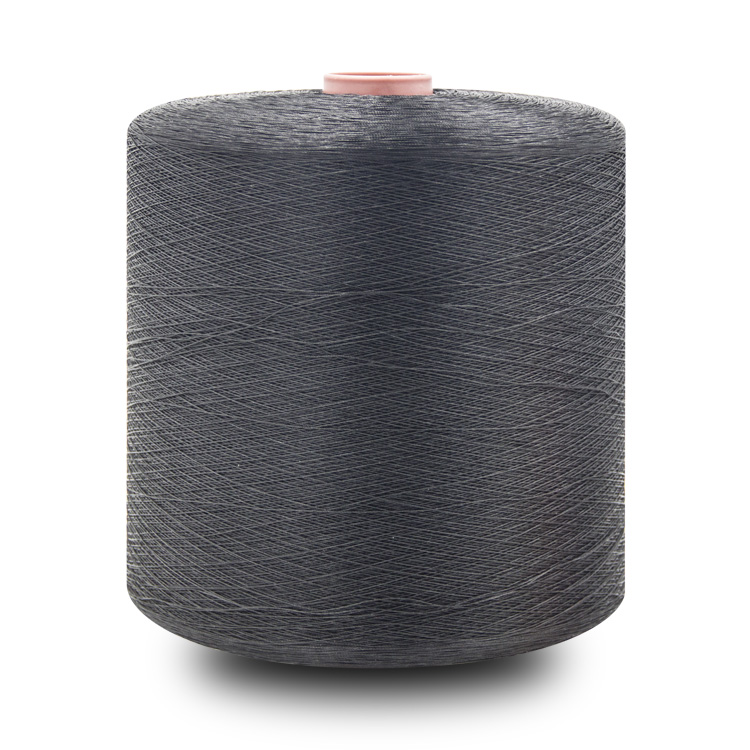
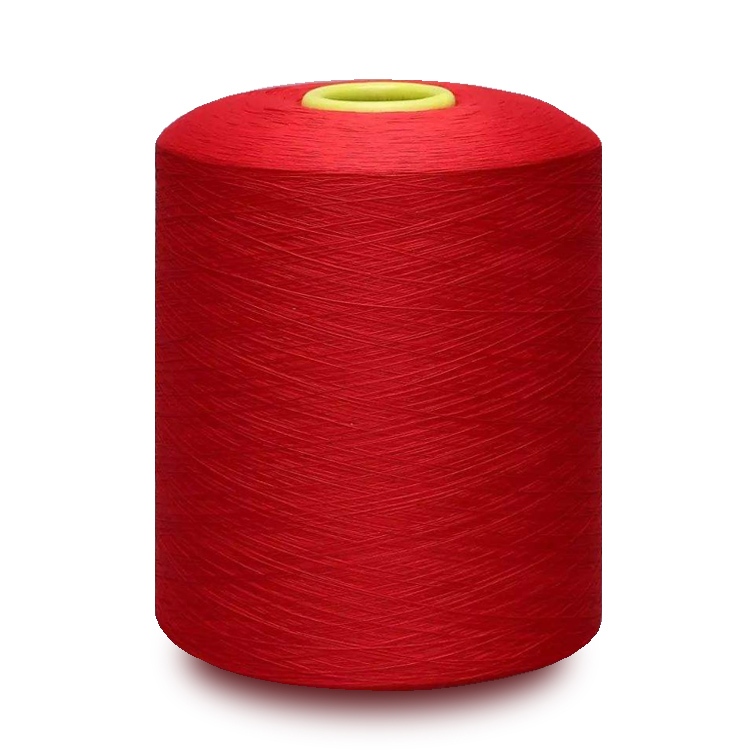
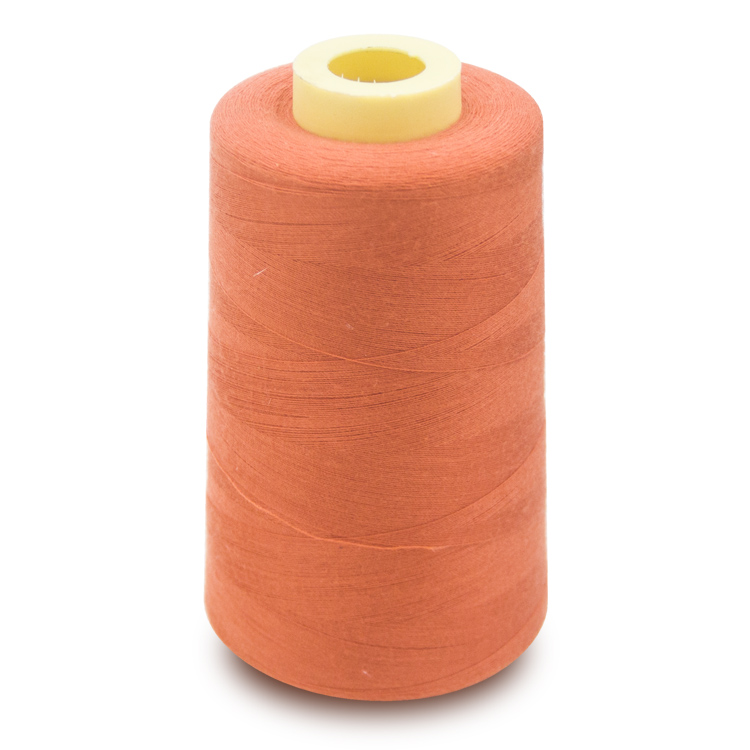
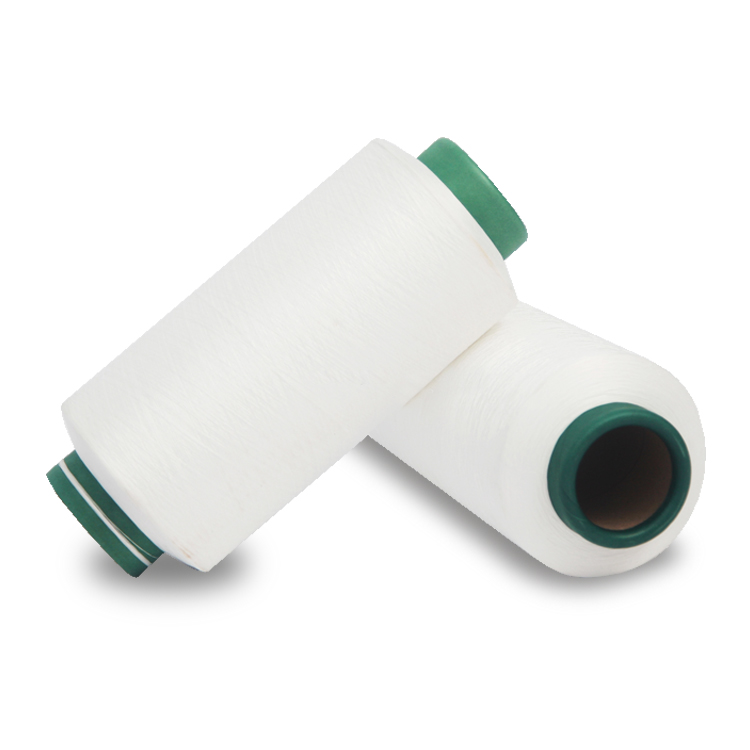
50/2 high tenacity polyester yarn for sewing
LQ-0412
Price: From $0.66
Delivery time: 9-20 days after payment
MOQ: 500 KG
50/2 high tenacity polyester yarn for sewing
Yarn twist
Yarn twist refers to the physical and mechanical properties of yarn, such as strength, elasticity, elongation, luster and handle Over twisting changes cotton yarn, and yarn twisting is realized by fiber structure. In fact, the relative angular displacement between cross sections of cotton yarn is used to make the original straight and parallel fibers incline to change the yarn structure. During the twisting process, the coarse sliver gradually shrinks from the width, and the two sides gradually fold and is involved in the center of the yarn line, forming a twisting triangle. In the twisting triangle, the width of the sliver is the width of the sliver The degree and cross section change from flat ribbon to cylindrical yarn.
Yarn twist common twist of object yarn 50 twists / 10cm12s
Definition editing
(1) definition of twist back: the yarn is rotated 360 degrees around its axis.
(2) definition of twist: the number of twists in the specified length of yarn before untwisting. The unit of tex system is 10 cm; the unit of metric system is 1 m; the unit of English system is 1 inch
(3) definition of twist factor: it is a measure of the twist degree of yarn, which is directly proportional to the twist angle, and is used to characterize the twist degree of yarns with different linear densities
(4) definition of twist direction: when the sliver is in the vertical position, the inclined direction of the helix formed by the unit of the sliver rotating around the sliver axis.
(5) definition of S twist: the inclined direction of the fiber in the sliver is consistent with the middle part of the letter s. It is the right-hand or clockwise twist back yarn.
(6) definition of Z twist: the inclined direction of the fiber in the sliver is consistent with the middle part of the letter Z, which is the left-hand direction or counter clockwise direction of the twisted yarn.
Twist Test Editor
The twist is usually not evenly distributed on the whole yarn. When testing the twist, you should leave one yard to sample. There are many kinds of twist testers, which are roughly the same in design. First, the yarn is clamped by the clamp on the left of the support point, and then pulled to the right rotating clip. The pointer of the dial is zero degree. Clamp the yarn on the rotary clamp, and the sample yarn is about 10 or 20 inches. When the rotating clamp rotates, the twist is increased When all twists disappear, the rotating clip will continue to rotate in the same direction until the twist is re added, and the pointer points to the zero mark. The total number of turns is recorded on the tachometer. The total number of turns is divided by two, and then the sample length is divided to calculate the twist per inch.
Yarn twist test
1 Overview
Short fibers need to be twisted in order to be spun into yarns, and filaments also need to be twisted in order to facilitate processing or improve tightness. Twist has a direct impact on yarn structure, physical properties, fabric style and clothing performance, which is the main basis for evaluating product grade. The testing methods of yarn twist include direct counting method and untwisting and twisting method. The untwisting and twisting method can be divided into: untwisting and twisting a method, untwisting and twisting B method, and three times untwisting and twisting method. The direct counting method is suitable for short fiber single yarn, twisted multifilament, ply yarn and cable; untwisting and twisting method is suitable for single yarn of cotton, wool, silk, hemp and their blended fibers.
2 purpose and requirements
Understand the basic yarn structure and operation requirements through the yarn twist tester.
3 standards adopted
3. 1 standards adopted: GB / T 2543.1, ISO 2061 textile yarn twist determination part 1: direct counting method, GB / T 2543.2, ISO / DIS 17202 textile yarn twist determination part 2: untwisting and twisting method, GB / T 14345 test method for twist of synthetic fiber filament.
3. 2 relevant standards: FZ / T 10001 determination of twist of airflow yarn, untwisting and twisting method and its covered product standards, GB 6529 standard atmosphere for moisture regulation and testing of textiles, ASTM D 1422, D 1423, as 2001.1.2.14, BS 2085, JIS l 1095, can / cgsb-4.2n0.8, bisfa, etc.
4. 2 analysis needle.
5 principle
5.1 the direct counting method refers to the method of measuring the twist number when the two ends of a certain length of sample are clamped under the specified tension, one end of the sample is rotated, and the twist of the sample is withdrawn until the constituent units of the sample are parallel. The number of untwisted twists is the number of twists in the yarn sample of that length.
5. 2 untwisting and twisting method is an indirect method for measuring twist. Untwisting and twisting method a is to clamp the two ends of the sample yarn with known length under a certain tension. After untwisting and reverse twisting, 50% of the required number of twists required for the sample to return to the initial length is the yarn twist number under this length; the untwisting and twisting method B is based on the test of the first sample according to method a, and the second sample is withdrawn according to 1 / 4 of the twists measured by the first sample Twist and then twist to the initial length to avoid measurement errors due to pretension and accidental draft. Three times untwisting and twisting method is generally applicable to the products of rotor spinning.
In the field of polyester yarn, whether it is coarse yarn or fine yarn, there should be a range of twist, not the higher the better.