
|
Share to:
Related Products


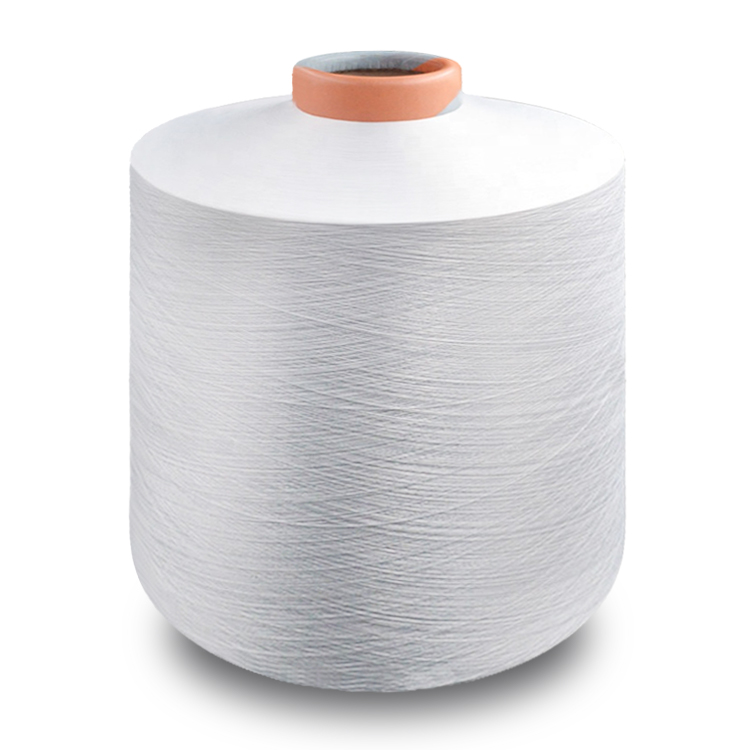

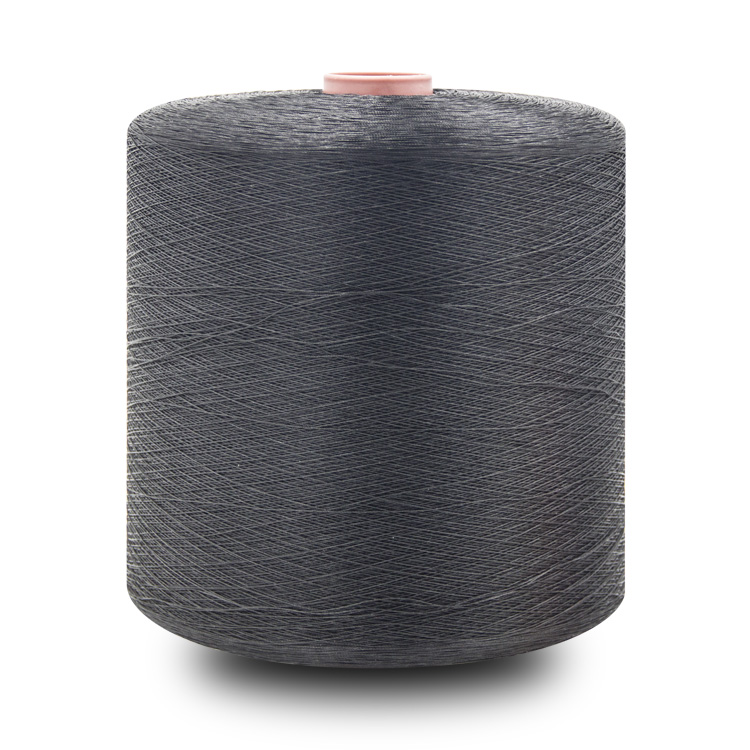

bag closing 100% polyester yarn 20/6
LQ-0412
Price: From $0.66
Delivery time: 9-20 days after payment
MOQ: 500KG
bag closing 100% polyester yarn 20/6
International oil prices may rise sharply, and price transmission is not obvious: where will the fabric market go?
Recently, OPEC, IEA and EIA have increased global oil demand expectations in 2021 in succession. Although OPEC will increase daily oil production by 35000 barrels, 350000 barrels and 441000 barrels in May, June and July respectively, crude oil inventories remain low as the economic recovery and consumption increase, and the output still fails to keep up with the growth of demand.
From the perspective of China's textile fabric market, the traditional "golden three" is a pot of porridge, so it is difficult to expect "Silver Four". The price of textile raw materials has declined, and fabric enterprises can eat "stable food". However, the rising oil price makes the fabric enterprises just "comfortable" raise their hearts again - will the rising price tide of raw materials come back?
Oil prices rose in nine out of ten

In early April, the average daily gasoline consumption in the United States rose to 8.9 million barrels, the highest level since August, according to the International Energy Agency. With the acceleration of new crown vaccination, especially in the northern hemisphere, the summer will come, travel and tourism in Europe and America will be more frequent, and the consumption of gasoline and fuel will also increase. Therefore, the IEA will increase the global oil demand growth forecast in 2021 by 230000 barrels / day. After the global oil demand fell by 8.7 million barrels / day last year, it is expected that the global oil demand will increase by 5.7 million barrels / day in 2021 to 96.7 million barrels / day.
There is no doubt that the constant recovery of demand has accelerated crude oil consumption. The data released by the U.S. energy information agency showed that in the early April, the U.S. commercial crude oil inventory was 490million barrels, down 5.9 million barrels on month, exceeding market expectations; The average daily crude oil production in the United States was 11 million barrels in the same period, an increase of 100000 barrels on a month basis. With the gradual recovery of the US market, crude oil demand has risen sharply, and the increase in daily supply has not kept pace with the increase of consumption demand, and the reduction of inventory is also a natural one.
Although the prices of Brent and US crude oil fluctuated recently, the market feared that the surge in India's new crown case would depress the country's fuel demand, but as the demand recovery in the European and American regions is still positive, a large number of international banks have been optimistic about oil prices. Goldman Sachs is more optimistic about oil prices, which are expected to reach $75 a barrel in the third quarter of this year.
The article points out that although the adjustment of crude oil price may continue the macro sentiment and liquidity expectation in the short term, the basic support is strong under the control of OPEC organizations and allies. Before the peak demand in the northern hemisphere, the upward trend of crude oil price is still a general event.
As we all know, the price trend of textile fiber raw materials in China is consistent with the price of crude oil. The price of textile raw materials rose with the international oil price at the beginning of this year, and rose significantly after the Spring Festival, which almost exceeded the pre outbreak price. Similarly, fabric prices are also divided by Spring Festival holiday, and there is a very obvious price difference. After the year, the price increase is more than 20%, which leads to the cancellation and postponement of orders of many fabric enterprises because of the high cost of chemical fiber fabrics.
Raw material prices are fixed
However, the recent oil price has been optimistic, and it has not driven the price rise of related varieties in the downstream polyester industry chain.
China Keqiao Textile index released on April 26 showed that the polyester raw material price index fell slightly on a month-on-month basis, while the current price of PTA in East China was 4490 yuan / T, and the month on month decline was about 10 yuan / ton; The mainstream price of glycol MEG is 4800 yuan / T ~ 4877.5 yuan / ton, and it is down 245 yuan / T to 365 yuan / ton on a month basis; The market quotation of polyester chips fell on a month-on-month basis, with the cash or acceptance price of semi light chips in Jiangsu and Zhejiang areas falling by RMB 5875 / T to 5975 yuan / ton in March, and 25 yuan / ton to 150 yuan / ton on month. The price of polyester filament in Xiaoshao area fell on a month-on-month basis, with POY quotation of 7550 yuan / T, and a decrease of 50 yuan / T to 65 yuan / ton on a month basis; The FDY quotation is 8550 yuan / ton, with the same month to month ratio; DTY quoted price of 8950 yuan / ton, falling by about 50 yuan / ton on a month basis.
The index report also pointed out that the current terminal demand is the leading factor affecting the market price. In recent years, due to the poor receipt of new orders downstream and the poor delivery of overseas orders, etc., the polyester price upward is restricted.
"In the case of no improvement in the end clothing order, the trend of oil price has a very limited impact on the overall textile industry chain in China. Perhaps a short-term rise in oil prices will push the short-term rise in raw material prices, but will eventually fall due to poor demand. " Liu Juan, the relevant director of Wuhan YUDAHUA textile and clothing Group Co., Ltd. However, she also stressed that in the turbulent market situation, there is too much uncertainty, and that a wind will change the original market direction, and the market still needs to pay close attention to the macro-environment trend.
"From petroleum refining to polyester and other petrochemical products, to polyester chips, to yarn and fabric, price transmission will take a certain time." Xiamen Xianglu Chemical Fiber Co., Ltd. said that the price of chemical fiber products generally did not rise significantly. As the situation and supply of textile industry are different every year, we can not only look at the data“ The current situation is that upstream supply is in short supply and downstream supply is greater than demand. "
According to the monitoring of relevant platforms, the loom start rate in Jiangsu and Zhejiang reached the highest value since the Spring Festival in early April, but the high starting rate lasted a short time, and most of the cluster start-up rates have been falling for more than two weeks. According to the latest statistics, the comprehensive starting rate of chemical fiber weaving in Jiangsu and Zhejiang Province was 76.05% at the end of April, and the ratio of the ring dropped by 0.49%.
The future market expectations are not clear
The fluctuation of oil price seems to be unable to play a major role in the price of raw materials in the eyes of many textile people. The starting state of weaving cluster is the best explanation of textile market. The traditional peak season is still the same. What will the market trend be in the face of the off-season that follows?
The situation this year is a bit special. India is the second largest textile manufacturer and exporter in the world after China, according to analysts of upstream and downstream enterprises and securities companies in the textile and clothing industry chain. With the worsening of the epidemic in India, the textile enterprises in the country can not guarantee normal delivery, and a large number of European and American textile orders have been transferred. Chinese enterprises have received the return orders, and overseas return orders are expected to increase further from May to June this year.
"In recent days, there are a significant increase in the number of buyers consulting the price of fabrics and fabrics," a foreign trade enterprise in Guangdong Province told CAIAP recently. At the same time, the range of preferential treatment for customers is also narrowing. "
However, some people in the industry believe that, considering the uncertainty factors such as epidemic situation, how favorable the secondary round production and marketing potential of our fabric enterprises and foreign trade companies can be supported, it still needs to be observed. In addition, orders are "transferred" by enterprises in India and Bangladesh, which makes the contract price with very thin profit is not competitive. Even if the European and American customers directly order our enterprises, we should pay attention to the increase of contract price, otherwise, it is difficult for Chinese fabric enterprises and foreign trade companies to digest.
China Keqiao Textile index predicts that there is still uncertainty about the time and degree of global consumption demand recovery. The export of epidemic prevention materials which played a major role in the growth in the early stage has gradually fallen down, and the trend of increasing by the very low base of the same period will not last for a long time. Therefore, it is expected that although the export will continue to increase in the second quarter of this year, the growth will return to normal level, and the export of China's textile and clothing and other commodities will continue to achieve a recovery growth. With the entering of post epidemic era, the degree of blockade of epidemic situation in different countries is different, the economic recovery is uneven, and the shipping company has strengthened its dominant position in the whole trade route. Since April, the shipper may face the impact of a new round of freight price rise and peak season surcharge (PSS).
In the light of the trend of domestic trade market, the overall market transaction in the future will show a small downward trend, while the spot transaction of fabric and the partial drop of order delivery in spring. Downstream demand will be partially insufficient, market trend is flat, fabric subscription enthusiasm will be reduced; Due to the partial reduction of orders of some traders and weaving manufacturers, the supply of fabric in spring has declined in the future, spot transaction and order delivery continue to shrink, partial batch orders of fabrics in spring decrease, local shrinkage of weaving enterprises' start-up rate, insufficient output of printing and dyeing enterprises, and the enthusiasm of large number of products subscription will be reduced on a ring by month basis.