

|
Share to:
Related Products
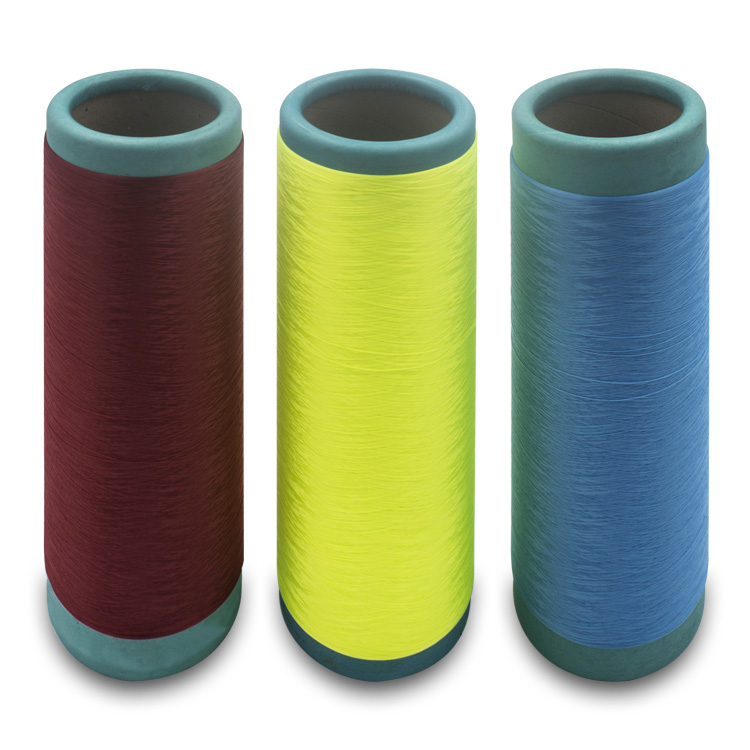
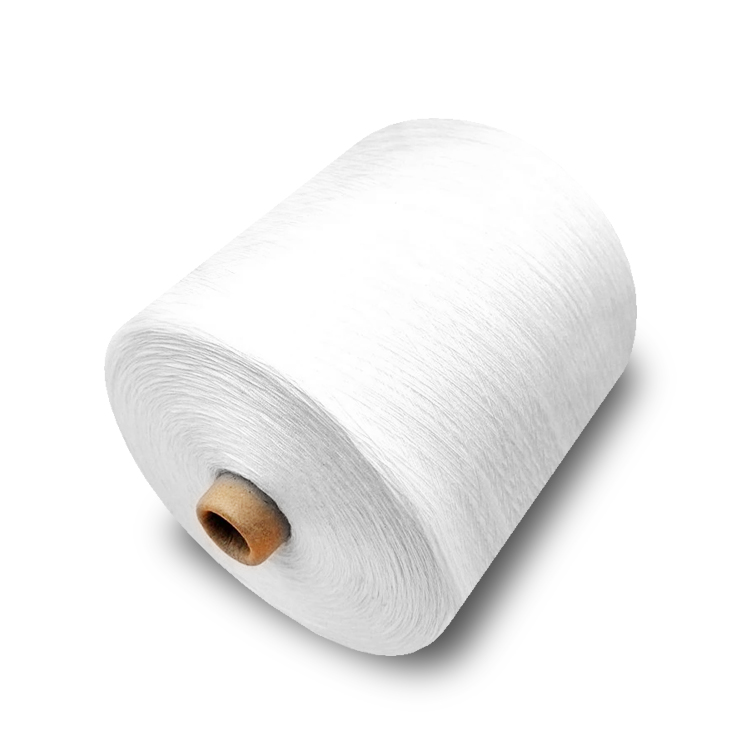
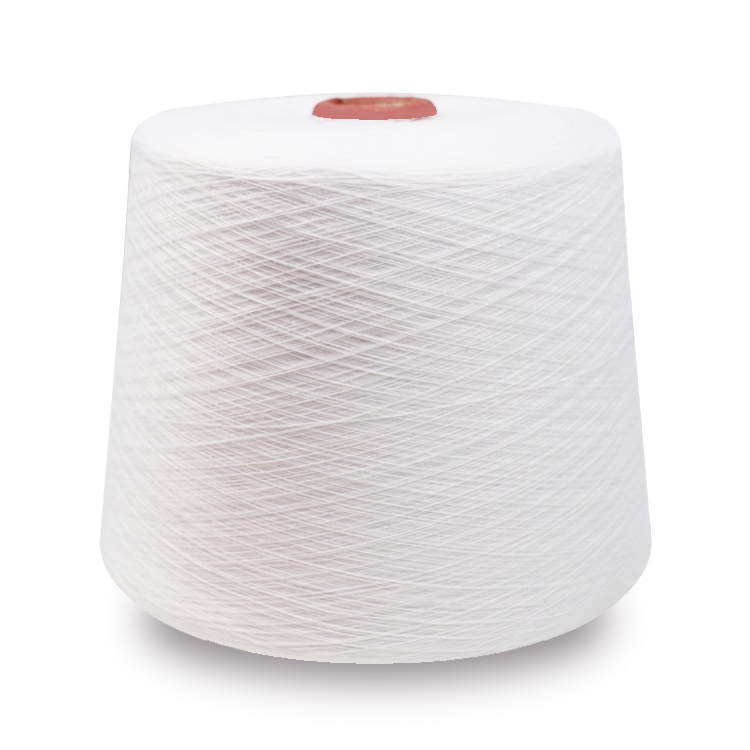
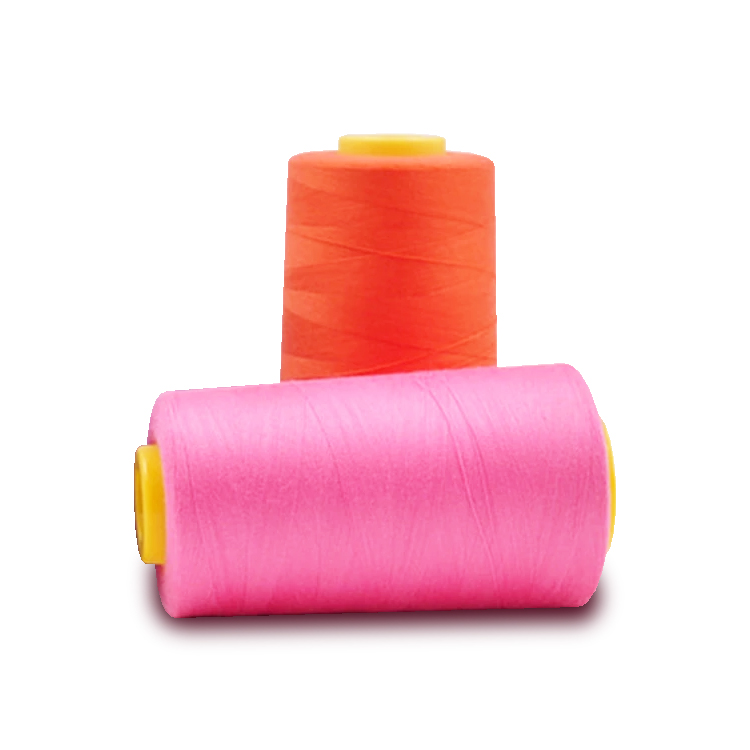

Cheap price 45s/1 45s/2 virgin polyester knitting yarn for bleaching
LQ-0412
Price: From $0.66
Delivery time: 9-20 days after payment
MOQ: 500KG
Cheap price 45s/1 45s/2 virgin polyester knitting yarn for bleaching
Three key points of cotton reactive light color dyeing process easy to be ignored
Because reactive dyes have many advantages, such as excellent performance, complete chromatogram and bright color, they have been widely used in medium and dark colors for many years. Now, some light bright colors, light assorted colors, including hard to dye light colors, such as light rice, light gray and light stone colors, are increasingly replacing the traditional reducing and soluble reducing dyes. However, these light colors have been used for a long time Among them, many dyeing factories are accustomed to think that the dyeing time is determined by the color depth, the dyeing time should be long, the dosage of auxiliaries should be more and should be added in batches and times, the dyeing time can be short when dyeing light colors, the dosage of auxiliaries can be less, can not be added in times or once. Results in dyeing, the phenomenon of color flower, color difference or color and light inaccuracy often occurs. In fact, the reason for this phenomenon is precisely that the traditional idea, i.e. the key points of the process that should be paid attention to, has been ignored. The following is a brief analysis and discussion for peer reference.

Determination of dyeing time: the dyeing time depends on the color depth, and the dyeing time should be short. In fact, this is a mistake. The dyeing time should not be determined by the color depth or the dye quantity, but should be comprehensively considered according to the dye performance such as directness, dye uptake or absorption rate, including fixation rate, fixation rate and other dyeing characteristic values. The dye will not If the dyeing is finished in the sensitive period of dyeing or fixation, it is easy to cause dyeing unevenness and color difference. On the contrary, if the dyeing or fixation reaches equilibrium or saturation and keeps temperature stable for a period of time, it can get even dyeing, transparent dyeing and stable color light, so as to avoid the production of color difference Live. Therefore, the time of deep and light dyeing should be basically the same. According to experience, it can be controlled to dye for 20-30 minutes after adding salt and heating up, and then heat preservation for at least 30-40 minutes after adding alkali for fixation.

2. Additive feeding mode: due to the small amount of light color additives, it is not necessary to add them in batches like dark color, but can be pumped in once or quickly. In fact, this is a mistake. The time or times of adding dyeing auxiliaries should not be determined by the number of auxiliaries, but by the action of dyes and auxiliaries, the rate and performance of chemical reaction between dyes and auxiliaries. The lighter the color, the easier it will be colored. The reason is that under the action of auxiliaries and temperature, the dye uptake rate and reaction rate with cellulose anion become faster, resulting in adsorption and fixation of fibers in a short time Causes uneven staining or colored flowers. If the auxiliaries are still added in batches or several times, the dye uptake and the reaction with the fiber will be more moderate, and there will be no fast or instantaneous dye uptake phenomenon, so as to effectively avoid the color bloom. For example, for some light colors that are particularly difficult to dye, the addition of salt and alkali can be done in batches of 2-3 times less first and then more. That is, 1 / 6, 2 / 6, 3 / 6 or 1 / 10, 3 / 10, 6 / 10, etc., and the interval time shall be controlled at least 10-15 minutes.
3. Other process requirements and points for attention: in addition to improving the above-mentioned items, temperature, bath ratio and time are the three major elements of dyeing, which should be strictly controlled. It is suggested that the bath ratio should be as large as possible, the speed should be higher than that of conventional dyeing, and the amount of cylinder allocation should not be too large. In addition, the post-treatment at the end of dyeing also affects the color light and fastness Factors, of course, are based on the right choice of dyes and good quality of semi-finished products.