

|
Share to:
Related Products
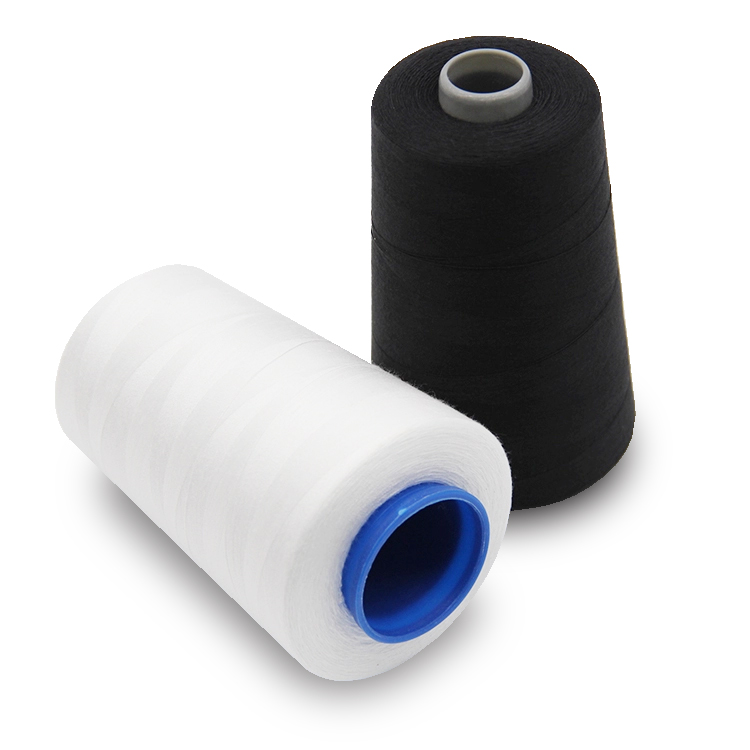
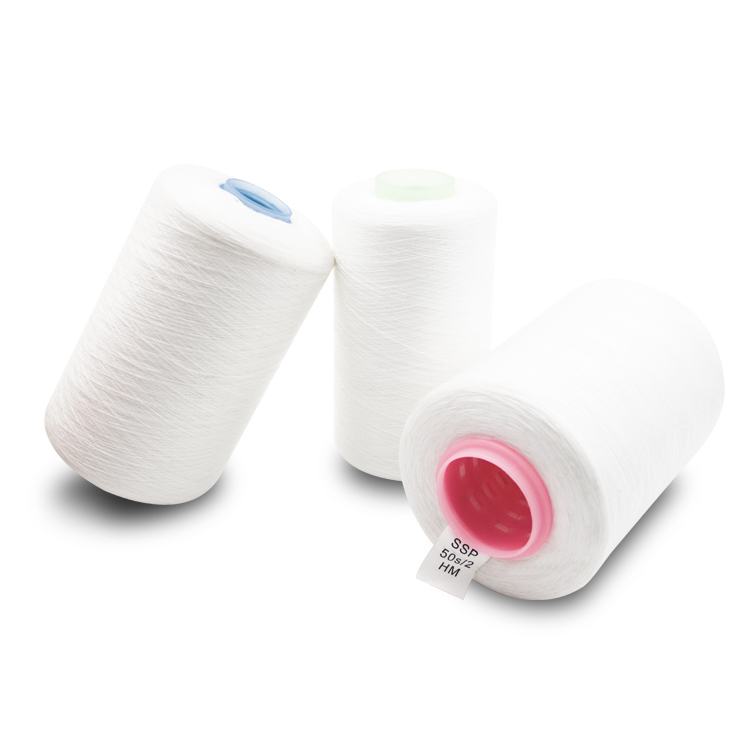
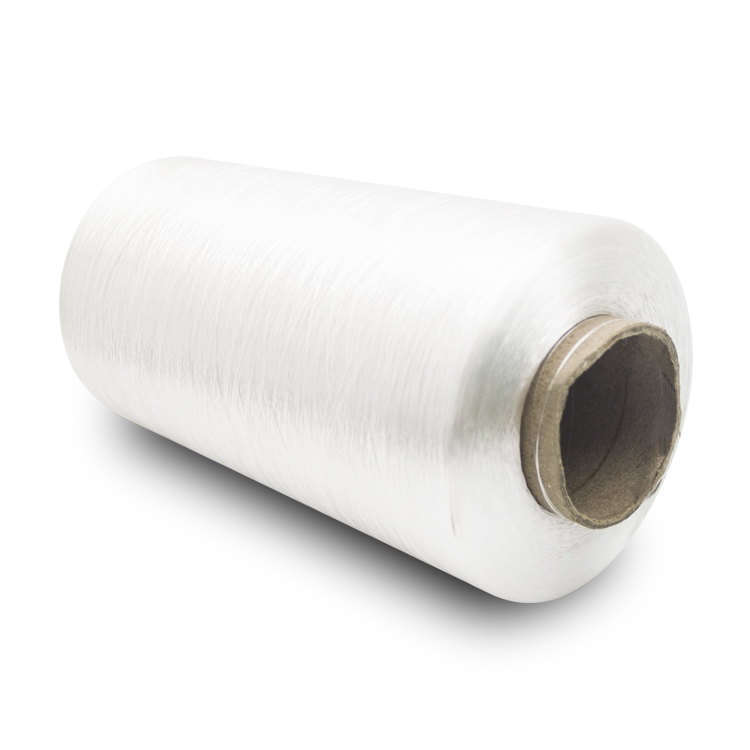
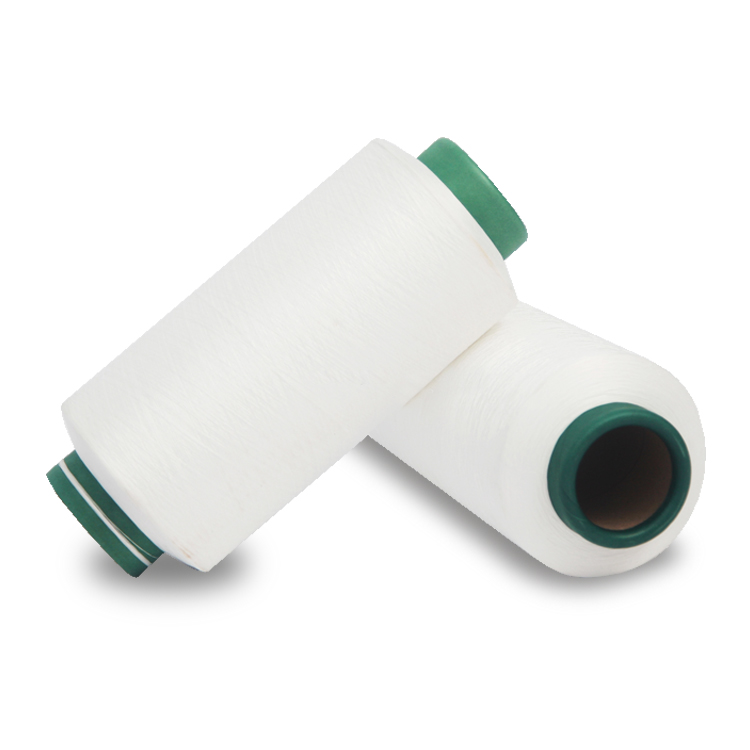


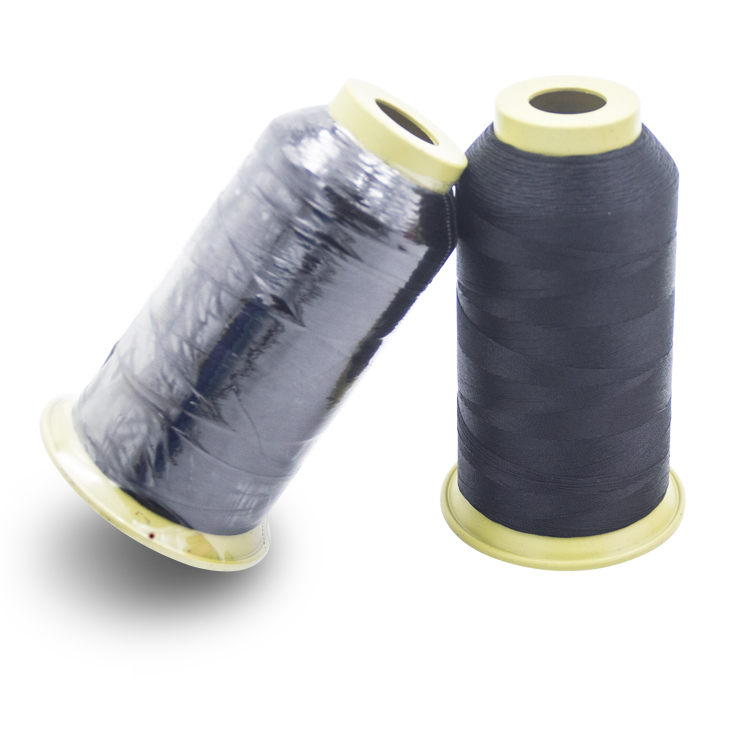
Hot selling Polyester Yarn in Dope Dyed Black From 15D to 300d
LQ-0412
Price: From $0.66
Delivery time: 9-20 days after payment
MOQ: 500KG
Hot selling Polyester Yarn in Dope Dyed Black From 15D to 300d
How to choose disperse dyes when dyeing light nylon with disperse dyes?
Brocade / cotton fabric is dyed in light color, and its nylon components are usually dyed with disperse dyes. The reason is: disperse dyes do not have water-soluble groups, do not ionize in water, and do not have active groups. Therefore, there is no ionic bond or covalent bond in the dyeing of nylon with disperse dyes. It depends on the molecular attraction between them. In addition, the relative molecular weight of disperse dyes is small, the diffusion ability and migration ability are strong, the difference of internal quality of nylon and the good covering ability, so the level dyeing penetration effect is excellent, which is very suitable for dyeing light color of nylon (Note: because the combination of disperse dyes and nylon is weak, the dyeing depth and color fastness are poor, it is not suitable for dyeing deep color of nylon).
Although disperse dyes have outstanding levelness in nylon dyeing, neutral dyes and acid dyes can not be compared, but not all disperse dyes are suitable.
About: light and light color of nylon dyeing, the requirements for disperse dyes are "two high and four low"
(1) The requirement of fastness to sunlight is high. There are two reasons
① Dyeing light color, dye in the fiber is highly dispersed state, with sunlight, air, water contact surface area larger, more vulnerable to damage. Therefore, the lighter the color, the worse the fastness to sunlight.
② The sun fastness of disperse dyes to nylon is usually lower than or seriously lower than that of polyester, that is to say, the sun fastness of most disperse dyes to nylon is poor. The reason is that the micro structure of nylon is relatively loose, the moisture absorption capacity is relatively high, and sunlight, air and water are more likely to invade.
It is one of the key factors to choose disperse dyes with good fastness to sunlight and similar fastness to sunlight to dye nylon.
(2) High requirements for the stability of dye shade. There is a prominent problem in the dyeing of nylon with disperse dyes compared with that of polyester, that is, it has color and light variability
① The color and light of nylon and polyester dyed with disperse dyes are mostly different
② When disperse dyes are used to dye nylon, the pH value of dyeing bath is different, so is the color and light. After testing, many disperse dyes dye nylon, its color light will change with the pH value of the dye bath.
Note: disperse dyes have good stability at 100 ℃ and almost no visible hydrolysis. Therefore, in the micro alkaline dyeing bath with pH = 7 ~ 8, the change of color light is not caused by dye hydrolysis, which shows that once the pH value of the dyeing bath fluctuates (usually caused by water and alkali release of the fabric), the color light produced by disperse dye dyeing nylon may have obvious, or even serious differences. The reason is probably due to the isomerism of dyes or the existence of dyes in fibers,
(3) The compatibility of dyes with temperature type is low. Polyester has compact structure and low swelling. Therefore, different temperature dyes have different difficulty in coloring (E-type dyes have small relative molecular weight, easy to color; S-type dyes have large relative molecular weight, difficult to color). Once the dyes of different temperature types are combined for dyeing, it is easy to produce color difference due to the difference of dyeing time or dyeing temperature. However, the structure of nylon is relatively loose and its swelling degree in water is large. Therefore, it is easy to color at 100 ℃ for both low temperature (E-type) and high temperature (S-type) dyes. That is to say, when nylon is dyed with disperse dyes of different temperature types, the color synchronization is much better than that of polyester. Therefore, when disperse dyes are used to dye nylon, the selection range of temperature type of disperse dyes is wide, and the compatibility requirement of temperature type of dyes is low.
(4) The requirement of hydrolysis stability is low. Under the condition of high temperature and high pressure (130 ℃), disperse dyes are easy to hydrolyze, which will make the color obvious or seriously lighten. However, under normal temperature and pressure (100 ℃), as long as the pH value of the dye bath is less than 8, the hydrolysis of the dye is very small, which is not enough to affect the dyeing results. Therefore, compared with Dacron, the hydrolytic stability of disperse dyes is lower.
(5) The demand for the thermal mobility of dyes is low. After treatment at high temperature and dry heat, the phenomenon of heat transfer also occurs. However, because the heat transfer of disperse dyes is directly proportional to the color depth, the effect of heat transfer of disperse dyes on the color light and color fastness is not obvious when the color is light and light. Therefore, when disperse dyes are used to dye light nylon, the thermal mobility of dyes can be reduced or not considered.
(6) The requirements for the thermal cohesion of dyes are low. The degree of thermal agglomeration of disperse dyes is much smaller at boiling temperature (100 ℃) than at high temperature (130 ℃), which is not enough to affect the dyeing quality. Obviously, this is because the dyeing temperature is low, the stability of the dispersant is good, and the agglomeration tendency of the dye itself is relatively small.
Therefore, in terms of the cohesiveness of dyes, most commonly used disperse dyes can be selected. It can be seen that dyeing with disperse dyes with good fastness to sunlight and color stability is the key to light color of nylon.