
|
Share to:
Related Products
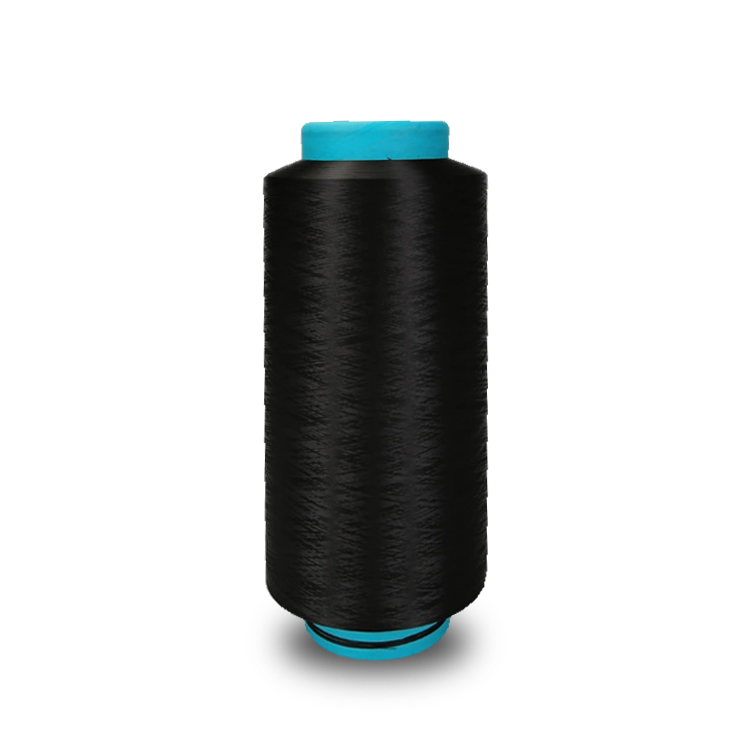
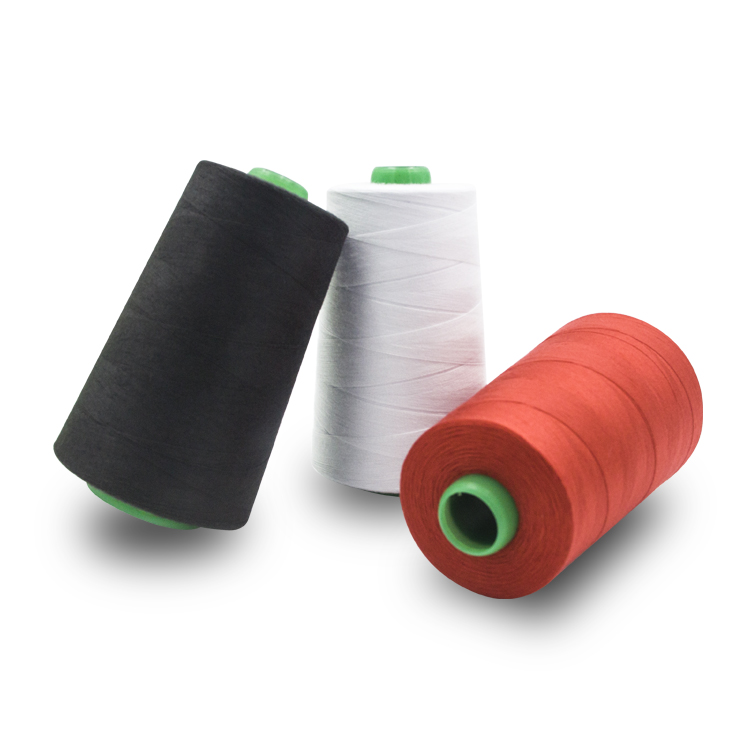
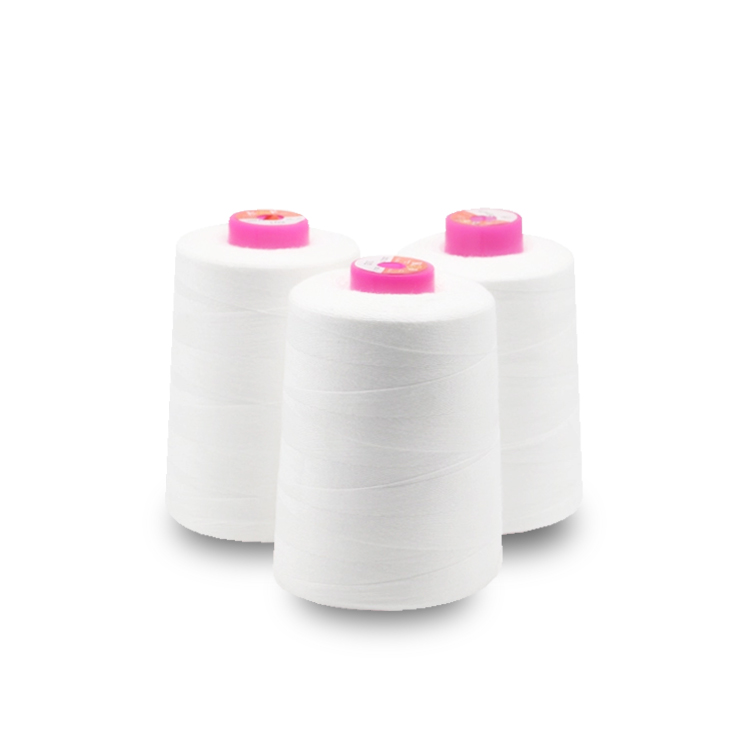
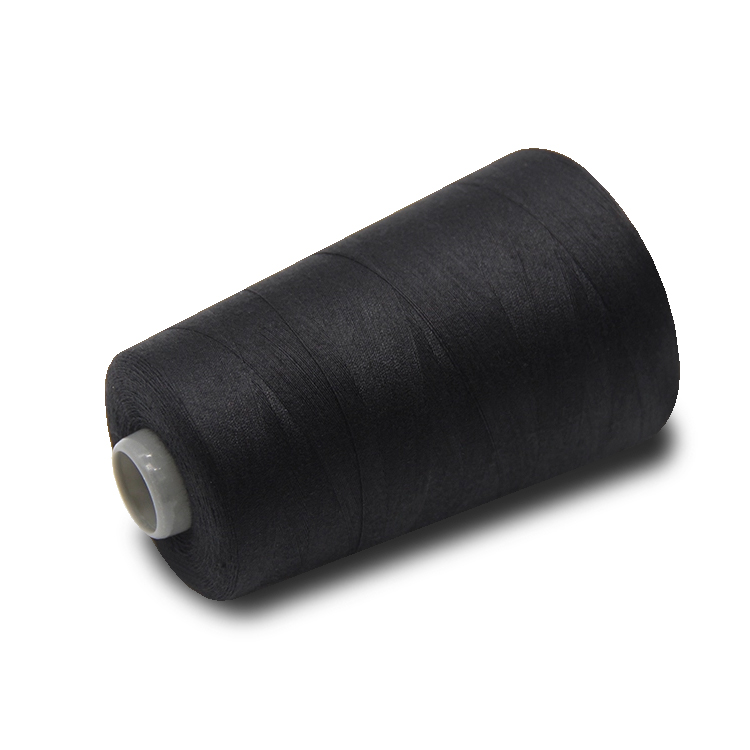
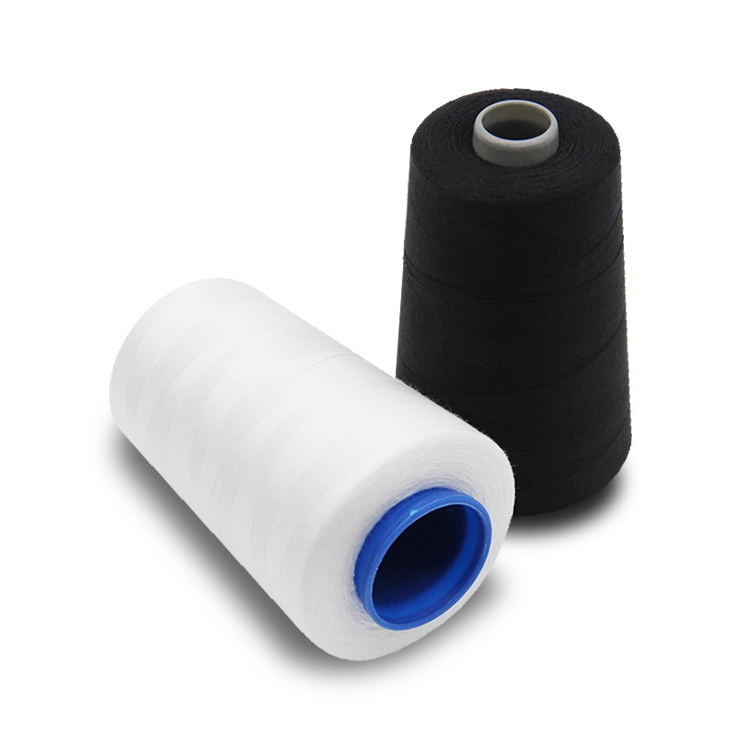
Wholesale Dyed Ne 20/4 Black 100 Polyester Yarn
LQ-0412
Price: From $0.66
Delivery time: 9-20 days after payment
MOQ: 500piece
Wholesale Dyed Ne 20/4 Black 100 Polyester Yarn
Problem exposure and new technology development direction of Dyer 90
This paper analyzes the common new problems in modern dyeing and finishing plants and the mistakes in the selection of auxiliaries, studies the causes of the problems, and puts forward solutions and emphasized measures. In this paper, the current situation and application of modern dyeing and finishing technology are analyzed, and the problems often encountered in the development of new materials and new fabrics and the guiding methods are given.
Pretreatment of boiling and bleaching
Scouring and bleaching is a general term for singeing, scouring and bleaching before dyeing, and also a general term for desizing, scouring, bleaching, mercerizing and other processing processes. The purpose of scouring and bleaching is to remove impurities, oil stains and stains on yarns and fabrics by chemical and physical mechanical actions, so as to make them white, soft, with good wool effect and uniform permeability. Provide qualified semi-finished products for dyeing, printing and finishing.
Pre processing FAQ
1. Poor whiteness and gross efficiency
Whiteness is not good: mainly in the whiteness is not enough, uneven, not pure, dirty.
2. Highlighted measures
(1) The main reason for the unclean removal of cottonseed shell and impurities is that the time of swelling of cottonseed shell, the temperature of boiling and bleaching, the dosage of alkali agent and refining agent are not enough.
(2) When the cottonseed shell is serious, adding nahs03 will help to remove impurities and cottonseed shell.
3. Mistakes in selection of additives:
(1) Some operators lack of basic chemical knowledge and do not understand the functions of penetrant, emulsifier, detergent, stabilizer, complexing agent and chelating agent.
(2) The hydrophilicity and lipophilicity of surfactants are unknown.
(3) Do not know which is cationic, anionic, or non-ionic additives.
(4) For fear of problems, workers mistakenly adopt the method of "more, more and better". They think that the more varieties and dosage of additives added into the working fluid, the better, the better, which will lead to reactions and internal friction offsetting between ionic additives, not on fabrics or yarns.
(5) the site management is not strict. Because it is colorless, the amount of additives added to the operation is very random and random, holding an indifferent attitude. It not only causes unnecessary waste, but also leads to large surface active dose, more foam, and unclean washing.
Dyeing problems and selection of auxiliaries
1. Poor dyeing effect
(1) The color fastness is not qualified because the selected dyes, dye promoters, levelling agents, chelating agents and fixing agents are not suitable.
(2) The reasons for color difference and flower are the poor combination of selected dyes, unreasonable formula, insufficient dyeing time, and unstable pH value of dyes and regulating working solution.
(3) The reason for the color difference between the left, the middle and the right is that the compatibility of the dye chromophore is not good, the color phase is not matched, and the equipment is not running normally.
(4) color spots, color blocks, color stains and spot stains are caused by poor solubility of dyes, large particles of dyes, no good additives, unclean equipment, tarry tartar falling down, boiling and bleaching products with poor gross performance, uneven work fluids, and strong water quality. Additives added to the dye result in dye agglutination, auxiliaries, too many bubbles, and dye bubbles and bubbles. After that, color dots and halos are formed.
(5) The reason for uneven color is that the yarn line is not dry, the cloth surface finish is poor, the impurities removed before boiling and bleaching are not clean, resulting in uneven dyeing.
(6) Dyeing is not deep, the selected dye power is not enough, the amount of dye is not enough, and the pretreatment cloth surface has impurities or oil stains.
2. Solutions
(1) The color fastness mainly includes the fastness to soap washing, water washing, dry and wet rubbing, photochromism, sunlight, chlorine bleaching (or salt), color weeping, perspiration, sublimation, ironing and special sea water, UV and saliva. The key of these fastness lies in the dye structure and performance.
(2) In the selection of dyes, attention must be paid to the compatibility, solubility, directness of dyes, whether the dye molecules are easy to aggregate, sensitivity to temperature and pH value, requirements for water quality, etc.
(3) Pay attention to the evenness of the surface of the pretreatment cloth, the uniformity of the gross effect and whiteness, the degree of removing impurities and stains.
(4) If the chemical method is proper, it is necessary to add the auxiliary agent to run evenly before adding the dye solution after the dry cloth is wet evenly.
(5) Check the integrity of the equipment at any time. The equipment must not work or operate "with faults".
(6) The dyeing water quality is poor.
Dyeing technology and its application
1. Microcapsule dyeing technology.
2. Gas liquid dyeing technology.
3. foam dyeing technology.
Problems in developing new fabrics with new materials
1. New materials develop new fabrics, still use traditional technology
2. Research on the microstructure of new fibers is the key to develop a new dyeing and finishing process
3. Dyeing of multi fiber products
Overview
The production of dyeing plant can not be separated from new fabrics, dyes and chemical additives, and fiber plant can not be separated from spinning plant and weaving plant. With the continuous emergence of new fibers, new dyes and new auxiliaries, technological development and technological progress, the key to win-win and win-win is to solve the problems of pretreatment and dyeing, printing and functional finishing, and improve the added value of products. The development direction is interdisciplinary, technological penetration, mutual service, open competition, which is the direction of enterprise survival and development.